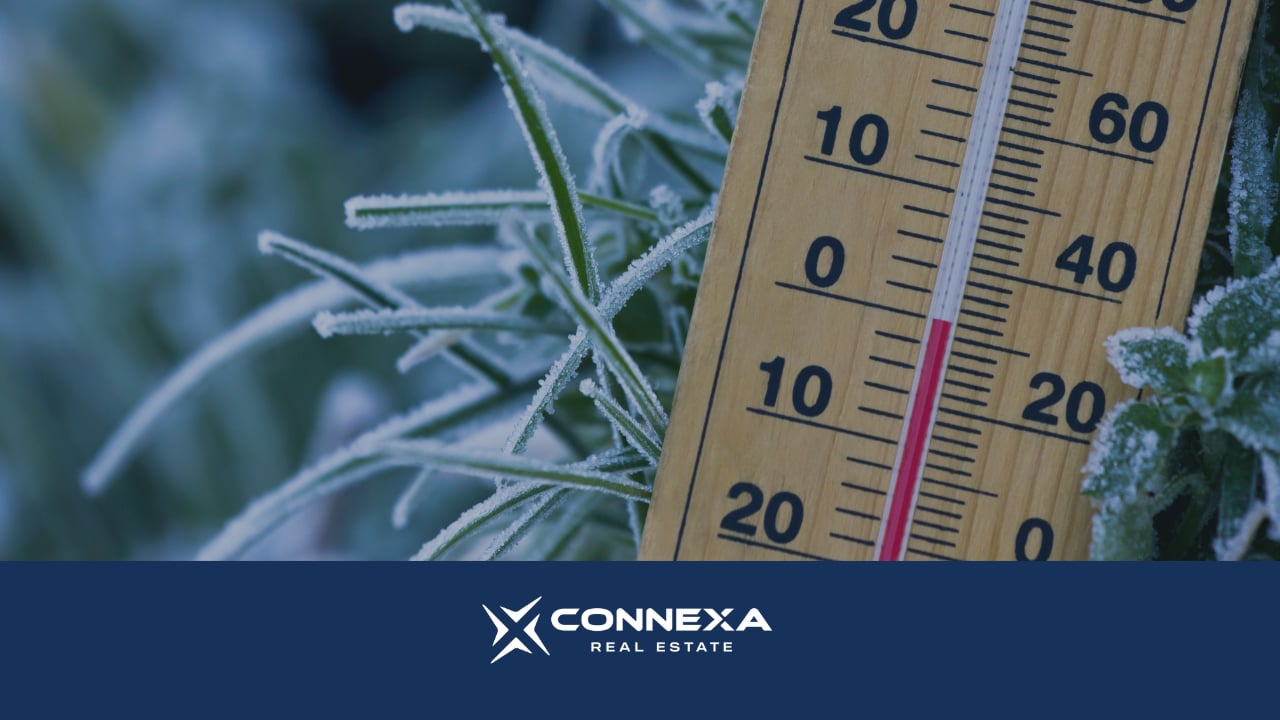
Winter Home Maintenance: The Rockingham County Survival Guide
homeowner Connexa Real Estate January 21, 2026
homeowner Connexa Real Estate January 21, 2026
To keep your home safe and efficient through a Shenandoah Valley winter, you need a mix of routine "set it and forget it" maintenance and a quick-action plan for when the mercury drops. Because we live in Rockingham County, where the mountain air can turn biting overnight, preparing your home isn't just about comfort—it's about protecting your investment.
Here is a guide to winter home care and sub-freezing prep that stays relevant whether it's a mild January or a record-breaking February.
The Winter Maintenance Checklist (Do This Now)
The best defense is a proactive one. These tasks ensure your home runs efficiently all season long.
Service Your HVAC/Heat Pump: In Virginia, heat pumps are common, and they work hard. Change your filters monthly to prevent the system from overworking. If you have a furnace, a professional tune-up can identify cracked heat exchangers or faulty pilot lights before they fail.
Clean the Gutters: Clogged gutters are the #1 cause of ice dams. When melting snow can't drain, it refreezes at the edge of your roof, forcing water under your shingles and into your drywall.
Inspect the Chimney: If you plan on cozying up to a wood fire, ensure a chimney sweep has cleared out creosote buildup. This prevents chimney fires and ensures proper ventilation of carbon monoxide.
Trim Overhanging Limbs: Ice and heavy moisture can snap branches that look perfectly sturdy in the summer. If a limb hangs over your roof or power lines, trim it back now to avoid a middle-of-the-night disaster.
Test Your Alarms: With the heat running and fireplaces lit, winter is the most critical time to ensure your smoke and carbon monoxide detectors have fresh batteries.
When the forecast calls for a deep freeze, take these immediate steps to prevent burst pipes and heat loss.
The Spigot Strategy: Disconnect all garden hoses. If you have interior shut-off valves for your outdoor faucets, turn them off and drain the line. A single hose left connected can trap water and cause a pipe to burst deep inside your wall.
Drip the Faucets: When temps stay below 20°F, leave a tiny, lukewarm drip running from the faucet furthest from your water main. Moving water is much harder to freeze.
Open the Cabinets: Open the doors under your kitchen and bathroom sinks. This allows the warm air of your home to reach the pipes hidden against exterior walls.
The "Candle Test" for Drafts: Hold a lit candle near window frames and door sweeps. If the flame flickers, you have a leak. Use weatherstripping or "draft dodgers" (those weighted fabric tubes) at the base of doors to keep the cold out.
Reverse Your Ceiling Fans: Most fans have a switch to rotate clockwise in winter. This creates an updraft that pushes the warm air trapped at the ceiling back down into the room.
Lower the Thermostat (Slightly): To prevent your system from "tripping" or failing under extreme load, pick a comfortable temperature (around 68°F) and leave it there. Avoid making big jumps in temperature during a freeze.
In the Valley, we know that winter can occasionally keep us homebound for a day or two. Keep these basics in an accessible "Winter Box":
Ice Melt/Sand: Have a bag of pet-safe ice melt or sand ready for your porch and walkways before they turn into a skating rink.
Alternative Light: Flashlights with extra batteries (avoid candles for light to reduce fire risk).
Food & Water: At least three days of non-perishable food and a gallon of water per person per day.
Manual Tools: Ensure your snow shovel is in good repair and your car has a sturdy ice scraper.
At Connexa, we believe homeownership should be about peace of mind. By taking these steps today, you aren't just "fixing things"—you’re protecting your equity and your family.
Thinking of selling this spring? A well-maintained home shows perfectly to buyers. Contact us to see how we can help you prep your home for the 2026 market

Here’s What That Means for You

Should You Wait or Take Action Now?

Pros, Cons, and What to Expect
2026
The Late-Summer Shift

Different Generations. Same Standards.

Places to Celebrate Dad (Where He Won’t Wander Off)
Ready to buy, sell, or invest in Virginia real estate? Reach out to our experts today to start a conversation. We're here to help.