The Ultimate Guide to Buying or Selling an Older Home
August 26, 2026
August 26, 2026
The Ultimate Guide to Buying or Selling an Older Home: Pros, Cons, and Expert Tips
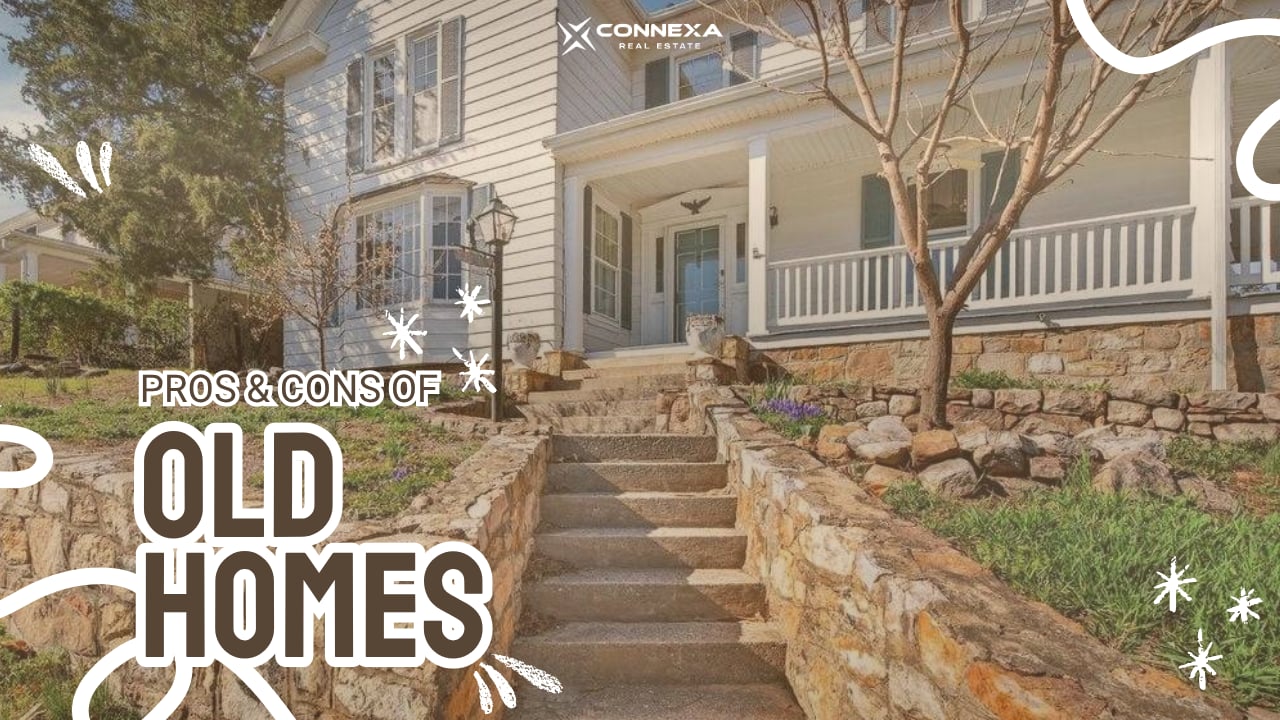
Buying or selling an older home offers a connection to the past that modern construction rarely replicates. From hand-carved wood trim and majestic fireplaces to established gardens and solid, time-tested framework, vintage properties carry a unique personality. However, that distinctive soul can also bring steep upkeep costs, complex renovation needs, and unexpected twists along the way.
Whether you are stepping into the real estate market as a homebuyer or preparing to list as a seller, you must be ready for surprises. Old homes hold secrets—from hidden structural quirks to outdated wiring buried behind plaster—that often won't come to light until the professional home inspection.
Understanding the trade-offs of an older home helps set realistic expectations for both sides of the transaction.
Unmatched Craftsmanship and Durability: Older homes were built with solid, heavy materials designed to stand the test of time, such as dense old-growth hardwoods and stone fireplaces. Modern construction often relies on cost-saving alternatives like laminate and contractor-grade materials with shorter lifespans.
Prime Real Estate Locations: Established homes are typically situated closer to town centers, offering high walkability to local shops, top-rated schools, and community amenities.
Purchase Price and Value: Older properties generally carry a lower initial purchase price per square foot compared to new construction in the same market. Because vintage homes are in limited supply, well-maintained historic properties hold strong long-term investment value.
Immediate Availability: Unlike buying new construction—which often involves lengthy build delays and empty yards—older homes are move-in ready and surrounded by mature landscaping.
Outdated Building Systems: Mechanical, electrical, and plumbing systems in older homes were designed for a different era. Upgrading these systems to meet modern building codes and household demand can be costly.
Energy Inefficiency: Drafty single-pane windows, uninsulated walls, and aging HVAC equipment often lead to higher monthly utility bills.
Limited Storage and Layout Challenges: Historic lifestyles required less storage, leading to small closets and minimal cabinet space. Sloped floors and non-standard wall angles can also make installing modern kitchen cabinetry or fitting large furniture a challenge.
Hidden Structural Risks: Long-established trees offer beautiful curb appeal, but their root systems can breach underground plumbing lines or disrupt foundations over time.
When touring an older property, look beyond aesthetic charm. Both home buyers and sellers should be prepared for what a certified home inspector might uncover:
Electrical Wiring: Knob-and-tube wiring (common from the 1880s to 1930s) or ungrounded systems require complete rewiring for safety, modern tech demands, and code compliance.
Plumbing Lines: Check pipe materials. Galvanized steel or iron pipes are prone to corrosion, low water pressure, and root intrusion, while older lead pipes pose health hazards. Look inside cabinets for outdated shut-off valves that may no longer seal properly.
Roofing and Chimneys: Verify the age and material of the roof. Slate can last over a century but is costly to repair, while standard asphalt shingles require regular replacement. Inspect masonry chimneys for structural cracks or missing liners.
Hazardous Materials: Paint applied before 1978 likely contains lead. Asbestos was also widely used in insulation, pipe wrapping, and floor tiles prior to 1980. Professional remediation is required if these materials are disturbed.
Environmental & Heating Fuel: Identify the heat source. If the property relied on heating oil, confirm whether underground oil tanks exist and if they were properly decommissioned according to EPA environmental standards.
If a property is located within a local, state, or National Register of Historic Places district, exterior alterations—such as replacing windows, changing paint colors, or updating roofing materials—may require approval from a local historic preservation board. While these guidelines protect the historical integrity of the neighborhood, they can limit renovation flexibility. On the positive side, restoring a registered historic property can sometimes qualify home buyers for state or federal tax credits.
To finance both the purchase price and necessary repairs, buyers can utilize specialized renovation loan programs—such as FHA 203(k), conventional renovation loans, VA, or USDA repair loans. These allow purchase costs and remodeling budgets to be rolled into a single mortgage.
Successfully buying or selling a home with history requires more than a standard transaction process. Because old homes inevitably reveal surprises during the inspection phase, having a knowledgeable real estate agent in your corner is essential.
For Sellers: An experienced listing agent helps you anticipate potential inspection red flags before going to market, guides you through complex inspection reports, and negotiates repair requests fairly without killing the deal.
For Buyers: A skilled buyer's agent ensures you hire home inspectors who specialize in historic properties, helping you distinguish minor cosmetic quirks from major structural risks so you can buy with confidence.
With the right preparation and expert real estate guidance, navigating the secrets of an older home allows you to preserve its timeless character while securing a safe, valuable property investment for the future.

Here’s What That Means for You

Should You Wait or Take Action Now?
Pros, Cons, and What to Expect

2026
The Late-Summer Shift

Different Generations. Same Standards.

Places to Celebrate Dad (Where He Won’t Wander Off)
Ready to buy, sell, or invest in Virginia real estate? Reach out to our experts today to start a conversation. We're here to help.